Start with a simple rule: do not approve a troffer retrofit until the existing housing and the exact retrofit product have been matched. If the housing is sound, the selected retrofit is documented for that housing, and the optical goal can be met without hidden labour, retrofit may reduce disruption. If any of those checks fail, evaluate full replacement and the work needed to make it practical. Base the decision on documented fit, condition and project requirements.
Housing Condition and Mechanical Fit
Inspect a representative sample of fixtures, not one ceiling tile. Ask: Is the housing straight, secure and free of corrosion or sagging? Does the ceiling system allow access without damaging adjacent finishes? Are the old dimensions, depth and mounting conditions consistent across the area? Will the new assembly sit level with the grid, or will trim, lens and driver placement create fit problems?
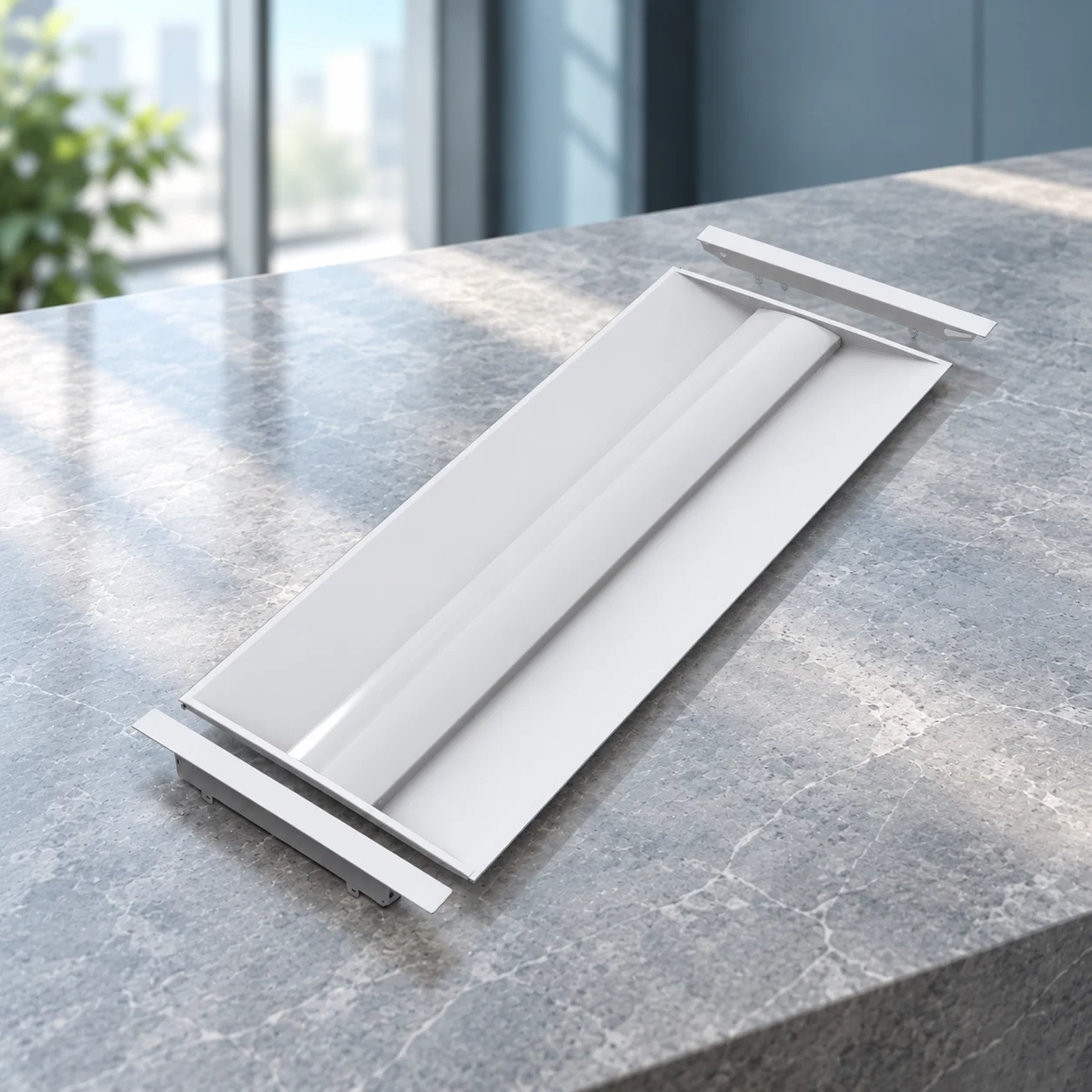
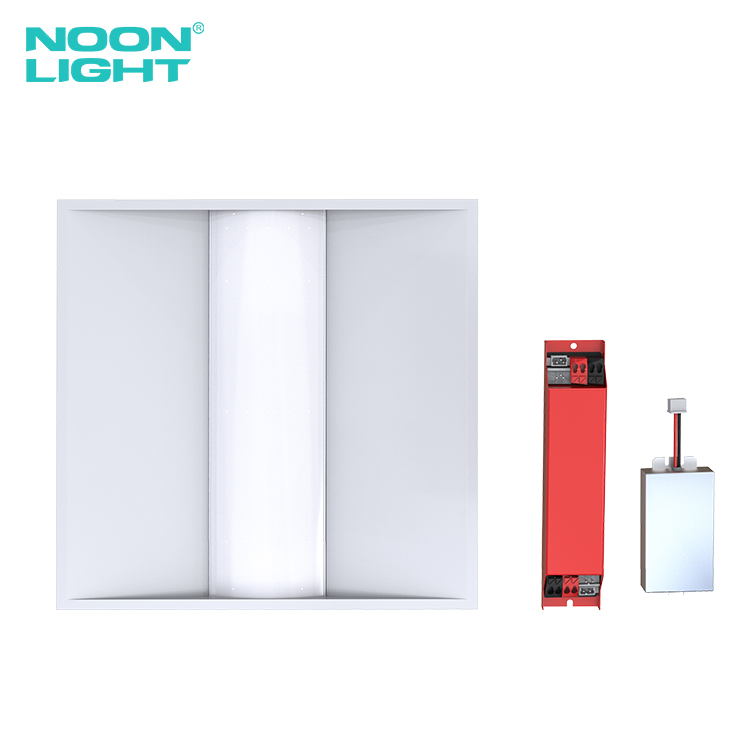
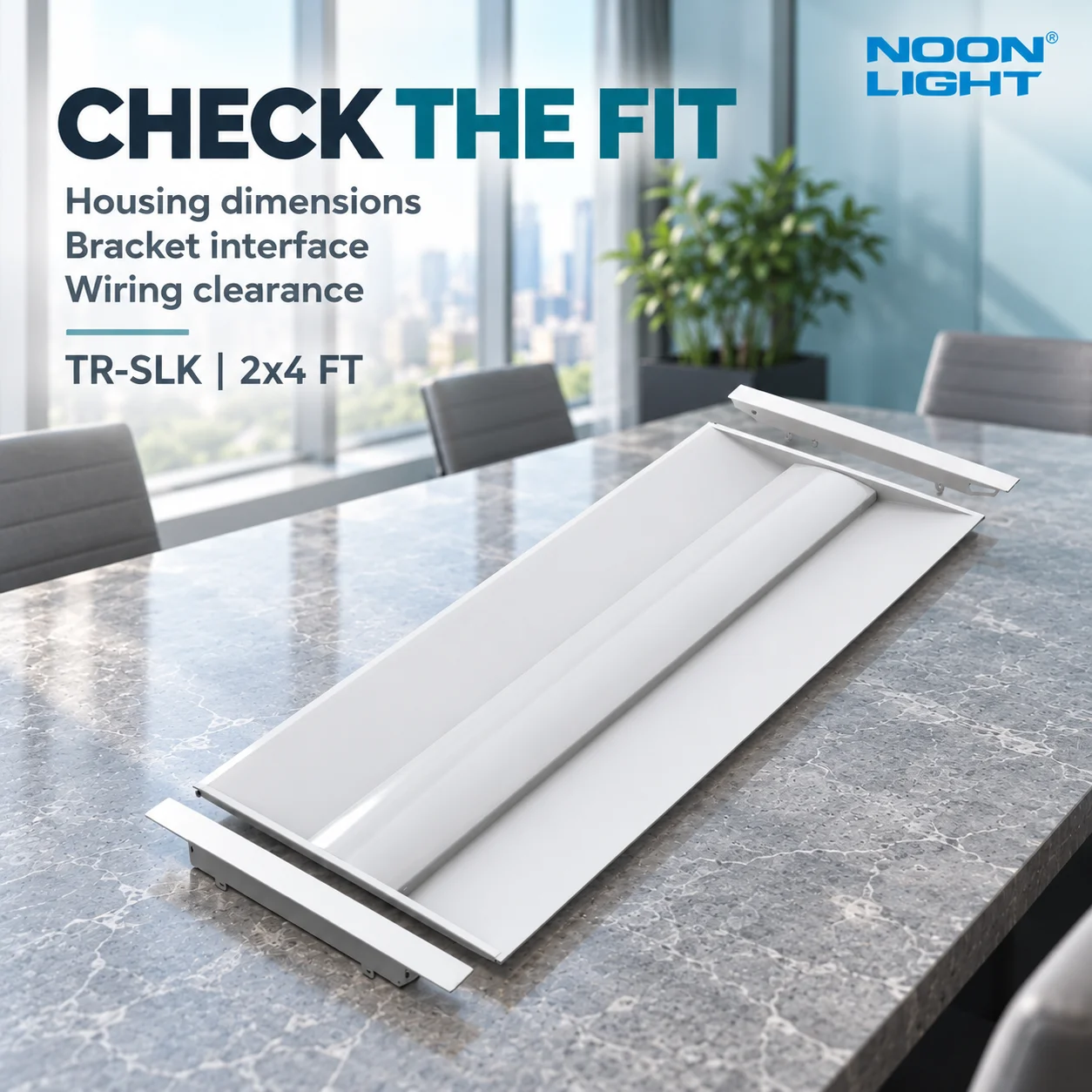
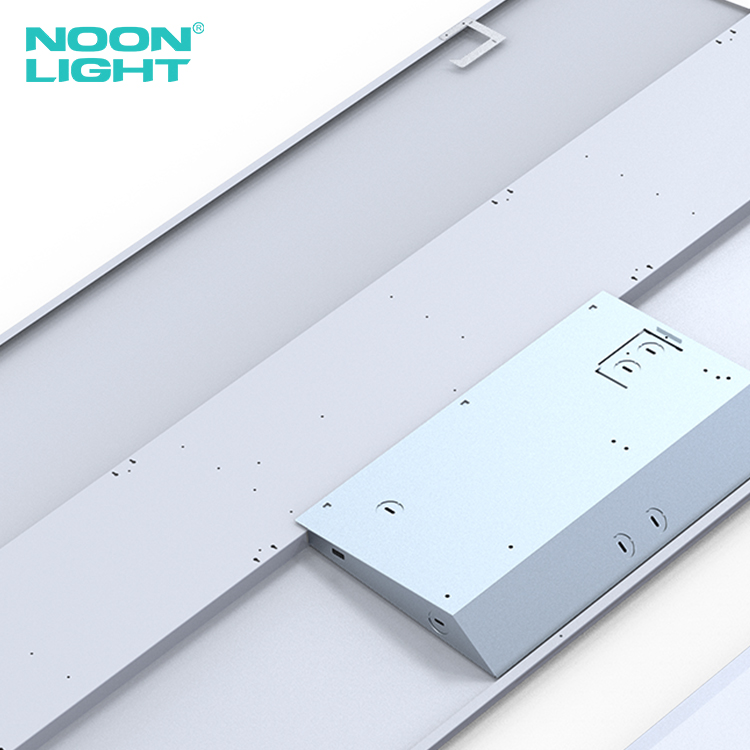
Mechanical fit includes more than length and width. Check driver location, heat path, diffuser seating, mounting brackets, and whether the existing fixture supports safe access for installation and future maintenance. A retrofit that fits one bay may not fit a different ceiling condition.
Exact Retrofit Compatibility
Ask the supplier for an exact, model-specific compatibility statement for the existing fixture family. Reject phrases such as “universal” or “one size fits most” unless the supplier can document the housing, lens and mounting variables. Confirm the intended retrofit kit, trim and optical components; ask what must be removed, retained or replaced. Also verify emergency, control and sensor interfaces with the responsible systems designer, not by assumption.
If compatibility is unclear, treat it as a replacement trigger. A retrofit is not approved by a visual match.
Optical Goals, Labour Scope and Access
Define the light distribution, glare control, appearance and ceiling coordination before choosing the route. A retrofit may preserve the existing look; a replacement may be needed when the desired optical outcome cannot be achieved within the old housing. Compare the scope: fixture removal, driver and control work, ceiling repair, paint, disposal, and after-hours access. Ask who owns each task and what floor protection is required.
Access matters. Plenum clearance, occupied-space disruption and lift equipment can change the labour equation. Do not compare fixture prices alone; compare the installed scope.
Disposal and Sample Evaluation
Confirm the disposal route for old lamps, ballasts, drivers and metal housings with local requirements and the responsible contractor. Then evaluate one representative installation or a small mock-up before a full order. Record fit, install time, light appearance, glare, ceiling alignment and any remediation needed. Do not turn one successful sample into blanket approval across different fixture families or ceiling types.
Buyer Checklist
- Can the supplier document exact compatibility for each existing fixture family?
- Is housing condition consistent, or are there corroded or sagging units?
- Are depth, mounting, trim, lens and driver location verified?
- Do optical goals and control interfaces suit the retrofit route?
- Is the labour scope clear, including access and ceiling repair?
- Is disposal planned for every removed component?
- Has a representative sample been evaluated before approval?
FAQs
Can every troffer be retrofitted?
No. Housing condition, exact compatibility and optical goals can rule it out. Keep the selection open until compatibility and condition have been verified.
What if the retrofit looks similar but has no compatibility statement?
Do not approve it. Obtain documented compatibility from the supplier or evaluate replacement.
Does retrofit always avoid ceiling work?
No. Access, trim alignment, driver placement and controls can require ceiling or electrical work. Price the installed scope, not just the fixture.
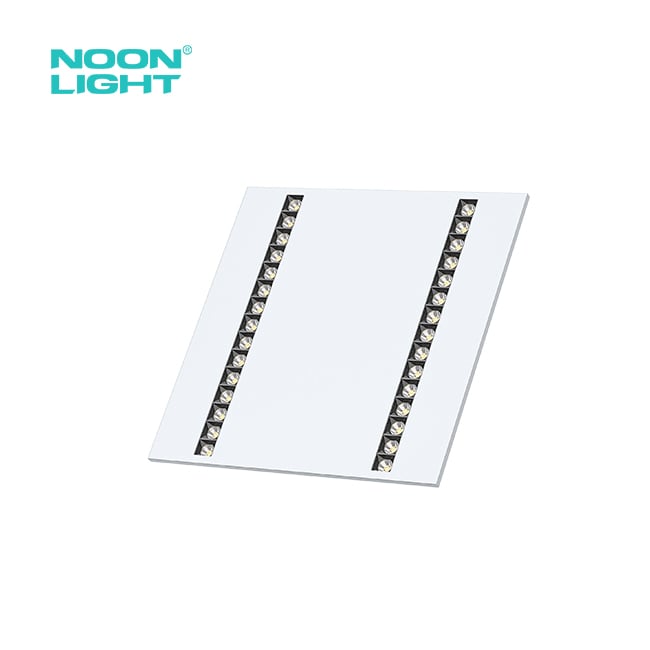
Review the LED troffer retrofit and LED troffer fixture categories when comparing upgrade routes.
Contact Noon Lighting with the existing fixture details, ceiling type, quantity, target optical outcome and site access constraints. Ask for a compatibility review and a sample evaluation plan; final options must be confirmed with the supplier.

 EN



 Hot News