Commercial LED Lighting Sample Approval: A Pre-Order Inspection Checklist
Nov 20, 2026
A sample is only useful if everyone agrees what it stands for. Too often a fixture arrives, gets a quick look, and an informal OK is given, then the production order is compared against a memory rather than a record. A short, documented sign-off before the order is released protects the importer, the contractor, and the supplier alike. For commercial LED lighting sample approval, here is what to define, check, and retain.
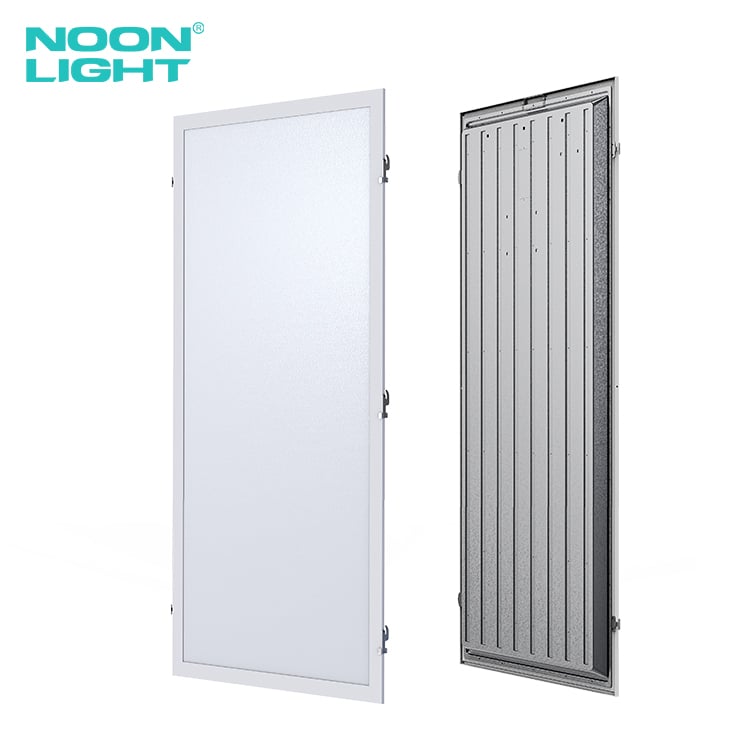
Illustrative LED panel views. Compare the submitted sample with its exact specification, revision, and included components.
Agree What the Sample Represents
Before inspection, write down exactly which configuration the submitted unit represents: the model and revision, the photometric and colour variants, the driver, the finish, the mounting hardware, and any accessories included. Ask the supplier to confirm in writing that this is the version the order will be built to. If the order covers several variants, agree whether one sample covers the family or whether each variant needs its own reference unit. Label the physical sample with that same identifier. This single page is what later turns a subjective opinion into a comparison.
Documents to Request With the Sample
Ask for the paperwork to travel with the unit, not to follow by email a week later:
The specification or data sheet for the exact submitted model and revision.
A clear record of the rating label and markings, so they can be compared with the order documents.
The packaging, labelling, and included-parts list that will ship with the production goods.
Any test or conformity document the supplier holds for this model, with its date and scope.
A written list of what the sample includes and excludes.
You are collecting a reference set, not guessing at conformity from the unit alone.
Physical and Visual Checks to Record
Work through the unit against the specification and note each observation, ideally with dated photographs:
Dimensions, mounting points, and the fit of brackets or suspension parts.
Housing and finish, including seams, gaskets, and closure on a vapor-tight fixture where sealing is part of the specification.
Diffuser or lens appearance; on a backlit LED panel, record visible uniformity and any colour difference across the face and between units.
Rating label, terminal markings, and packaging text against the documents requested above.
Any deviation, however small, logged as a line item rather than a mental note.
Functional Checks Against the Submitted Documents
Keep functional checks to confirming what the paperwork already claims. Have qualified personnel power the unit under the conditions stated in the data sheet and record the start-up behaviour, whether the light output is stable, and how any dimming or control interface responds if one is specified. Note the supply conditions, the control gear used, and who witnessed it. If an observation does not match the document set, raise it as a discrepancy to be resolved in writing. The aim is consistency between the approved sample, the specification, and what will be produced, not a one-off performance verdict.
Keep an Approval Record and a Retained Reference
Finish with a signed approval sheet: sample identifier, photographs, date, the people approving on both sides, the document versions used, and the list of accepted or rejected deviations. State plainly that the production order is to match this reference. Keep the approved unit, or an agreed sealed equivalent, somewhere both parties can refer to when the first shipment arrives, and write into the order how incoming goods will be compared against it. If a model, driver, finish, or revision changes, re-approve rather than assuming the earlier sign-off still applies. A retained sample and a dated record are what make that comparison possible months later.
Frequently Asked Questions
Who should sign the sample approval?
Name a person on your side and the supplier's, and date the record. A verbal OK is hard to reference later.
What if the production order differs slightly from the sample?
Log the difference, then request a revised sample or written acceptance before the order is released.
Do we re-approve a repeat order?
Re-check the model and revision. If unchanged, reference the retained sample and its approval record instead.
If you would like the sample documentation checklist aligned before an order is placed, send the list of variants through our contact page and ask for it in the submittal.

 EN



 Hot News